Logo
  • Home
  • About Us
  • Our Products
    • Venlo Greenhouse
    • Film Greenhouses
    • PC & PE Greenhouses
    • Polycarbonate Greenhouses
    • Plant Factory
  • Blogs
  • Contact Us
  • 简体中文
  • English (United Kingdom)

Blogs

Greenhouse Blog

Greenhouse Climate Control: The Key to Stable Crop Production

Climate control is the foundation of modern greenhouse farming. By precisely managing temperature, humidity, light, and airflow, growers can significantly improve crop quality, yield, and consistency.

Reading time: 5–7 minutes Updated: 2025
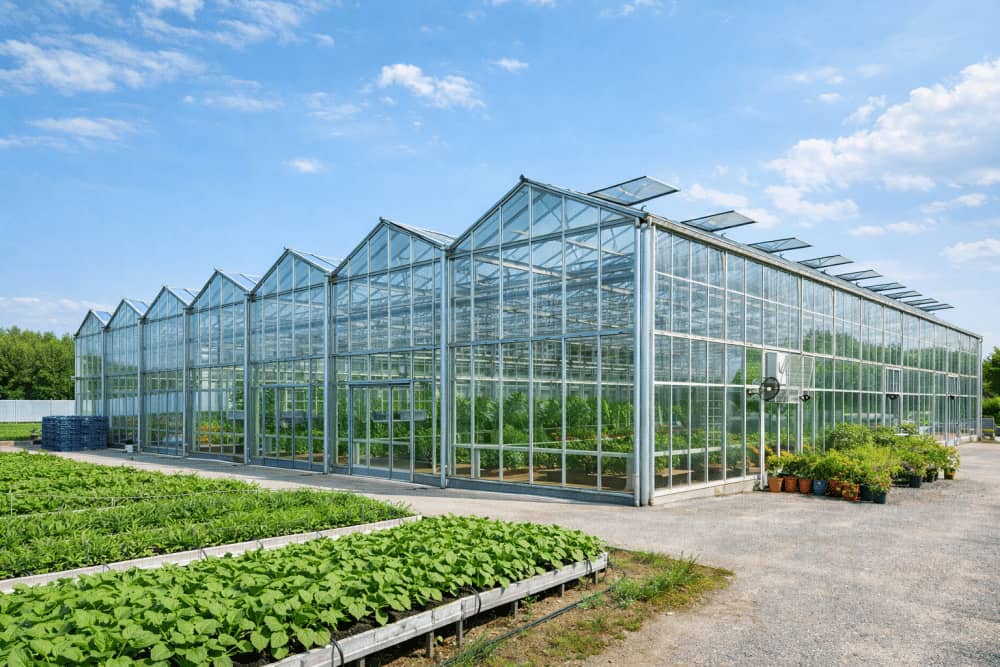
Greenhouse Climate Control System
Advanced greenhouse climate systems ensure optimal growing conditions throughout the year.

Why Climate Control Matters

Crops are highly sensitive to environmental changes. Temperature fluctuations, excessive humidity, or poor air circulation can directly affect plant growth, disease resistance, and overall yield. A well-designed greenhouse climate control system ensures stable conditions regardless of outdoor weather.

Key Elements of Greenhouse Climate Control

Modern greenhouse climate management integrates several systems working together: heating, ventilation, cooling, shading, and humidity regulation. These components maintain an optimal growing environment while minimizing energy consumption.

Temperature Regulation

Temperature is the most critical factor in greenhouse production. Heating systems maintain optimal conditions during cold seasons, while ventilation and cooling systems prevent overheating in warmer climates. Automated sensors ensure precise temperature control at all times.

Humidity and Air Circulation

Proper humidity levels reduce plant stress and prevent fungal diseases. Circulation fans and ventilation windows help maintain fresh airflow, ensuring uniform temperature and humidity throughout the greenhouse.

Light Management

Light intensity and duration directly affect photosynthesis. Modern greenhouses use shading systems and LED supplemental lighting to optimize light conditions based on crop type and seasonal changes.

Automation and Smart Control

Advanced greenhouse projects use automated climate controllers connected to sensors and software platforms. These systems adjust temperature, humidity, irrigation, and lighting in real time, reducing labor costs and improving production accuracy.

Benefits of a Well-Controlled Greenhouse

With proper climate management, growers can achieve higher yields, improved crop quality, reduced disease risk, and better energy efficiency. Climate control also allows year-round production, increasing profitability and supply stability.

Looking for a Greenhouse Climate Solution?

We provide complete greenhouse climate control solutions including system design, equipment selection, installation, and technical support. Contact us to build an efficient and reliable greenhouse project.
Greenhouse Blog

Greenhouse Solutions for Modern Agriculture

Greenhouses create stable growing conditions by managing light, temperature, humidity, and ventilation. With automation and data-driven control, modern greenhouse systems help growers increase yield, improve quality, and reduce climate-related risks.

Reading time: 5–7 minutes Updated: 2025
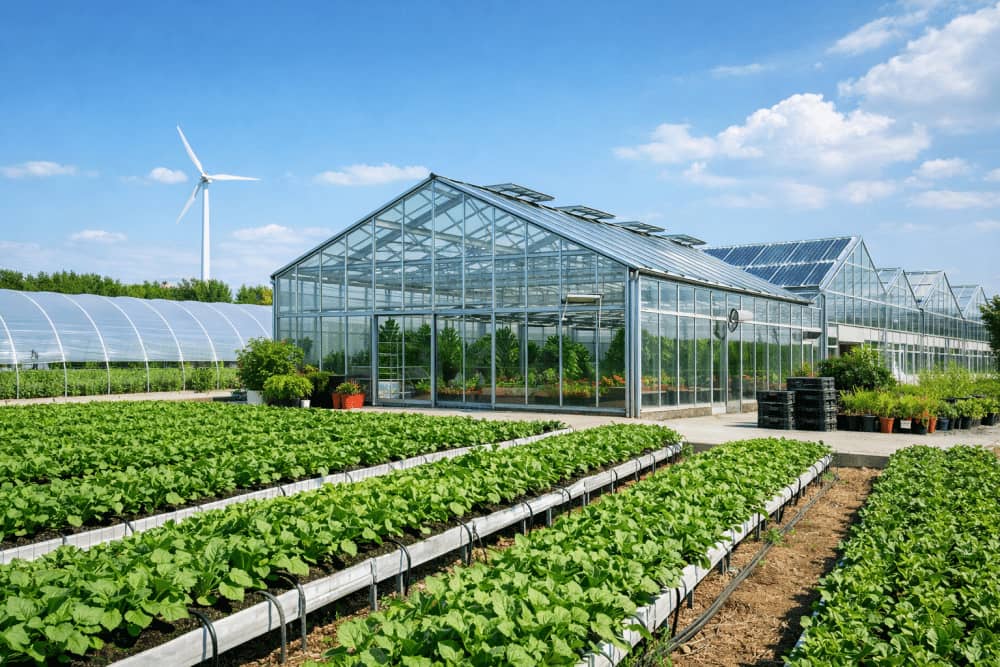
Modern Greenhouse
Modern greenhouse systems support year-round production with stable output and predictable quality.

What Is a Greenhouse

A greenhouse is an engineered structure that protects crops from external weather and creates a controlled environment for growth. By optimizing climate variables, greenhouses make it possible to produce crops across seasons and locations where open-field farming is limited.

Why Greenhouses Matter Today

Global agriculture faces rising energy costs, unpredictable weather, and increasing demand for safe food. Greenhouse production improves consistency by reducing exposure to wind, frost, hail, and heat stress. It also supports efficient water and nutrient delivery, especially when paired with drip irrigation and fertigation systems.

Key Greenhouse Systems

A modern greenhouse is more than a structure. It is a combination of systems that work together: ventilation, shading, heating, cooling, irrigation, and optional automation. When properly designed, these systems maintain stable conditions while optimizing operating cost and crop performance.

Choosing the Right Structure

Structure selection depends on your climate, crop type, budget, and expected scale. Glass structures are ideal for high light transmission and long service life. Film structures are cost-effective and fast to build. Polycarbonate structures offer excellent insulation and durability, especially in colder climates.

Operational Advantages

Greenhouse production enables year-round planting schedules, improves quality grading, and supports predictable harvest cycles. With controlled environments, growers can reduce disease pressure, optimize growth rates, and increase market supply reliability.

Future Trends

The future of greenhouse farming is moving toward smarter automation, energy efficiency, and precision control. Technologies such as sensors, IoT dashboards, climate algorithms, and AI-assisted crop monitoring are becoming standard tools for commercial projects aiming to scale production.

Need a Greenhouse Solution

We provide greenhouse design, equipment integration, and project support based on your climate, crop plan, and investment target. Contact us to discuss a customized solution.

Phone
 

Phone

0086-13820521686

Address
 

Address

No. 8, C-21, Xiamen Road, Tanggu Marine Science and Technology Park, Tianjin Binhai High-tech Zone
Tianjin, PRC, 300451

Mail
 

Mail

contact@qyxtrade.com
(International)

Copyright © Tianjin Binhai New Area Qianyi Xinsheng Trading Co., Ltd